
7 Best Tools for Audio Summaries (AI That Gets to the Point)
Explore the best AI audio summarizers for professionals, emphasizing decisions, action items, and key points. DeepScribe leads with Whisper-powered accuracy and comprehensive export options.

DeepScribe Team
Content Team
7 Best Tools for Audio Summaries (AI That Gets to the Point)
You have a 62-minute recording and only six minutes between meetings. Sound familiar? Welcome to the world of the busy professional, where time is always against us. But what if you could take that lengthy audio and distill its essence faster than you can grab a coffee? Enter the realm of AI-powered audio summarizers—tools designed to cut through the noise and deliver what matters most: decisions, tasks, and key points. In this post, we delve into not just any audio summarizers, but those that excel where it counts. We'll guide you through tools that guarantee summary usefulness across meetings, lectures, and podcasts, while emphasizing the critical role of transcript-backing. With DeepScribe leading the charge, discover how a robust transcript workflow can make your outputs more shareable, auditable, and efficient. Ready to transform the way you handle audio? Let’s dive in.
BLUF: Best Audio Summarizers by Use Case
When it comes to audio summarizers, choosing the right tool depends significantly on your specific needs, whether it's for meetings, lectures, or podcasts. Let's dive into the best options suited for each scenario.
For Meetings: DeepScribe
When managing back-to-back meetings, DeepScribe stands out as a powerful solution. Its Whisper-powered accuracy ensures that every detail is captured, making it ideal for extracting decisions and action items with precision. Speaker detection and labeling add an extra layer of context, allowing you to attribute tasks to the right person. Its ability to generate summaries and action items makes it indispensable for busy professionals. Plus, you can easily export your notes in various formats like DOCX, PDF, SRT, and VTT. 
For Lectures: Sonix
Lectures demand a different kind of attention, often involving intricate language and myriad details. Sonix excels here by providing a transcript-first approach with multilingual support, ensuring that no important academic point is missed. Its automated audio translation feature is a boon for international students, making it a popular choice for education. 
For Podcasts: Trint
Podcasts often feature extended, unstructured conversations. Trint shines in transforming these into polished summaries and show notes. Its transcript-based editing tool allows easy identification and highlighting of key points, making it an essential tool for podcasters looking to enhance their workflow efficiency. 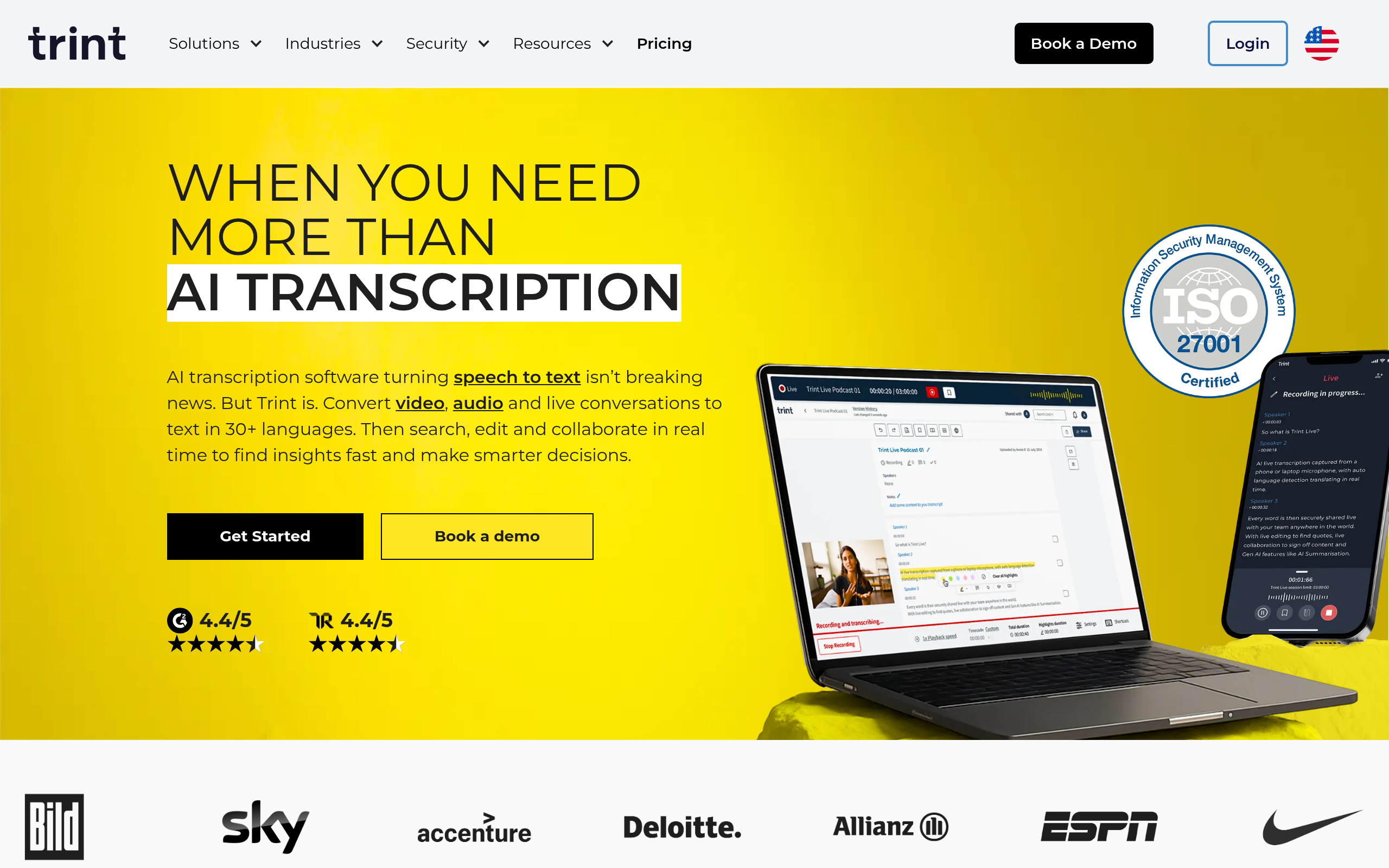
Each of these tools leverages AI to streamline your audio needs, but choosing the right one depends on how well it captures and organizes content relevant to your use case. Whether it’s about precision in meetings with DeepScribe or crafting polished show notes with Trint, these tools help you get to the point—efficiently and accurately.
Why Audio Summarizers Are Gaining Popularity Now

Imagine having a backlog of meetings, lectures, or podcasts that you need to process quickly. Enter audio summarizers—AI tools transforming endless hours of audio into concise, understandable summaries. But why the sudden rise in popularity?
The market for audio AI tools is on an impressive trajectory, projected to hit $1,280 million by 2025. This growth is fueled by the increasing demand for real-time processing, especially as smartphones, where 64% of audio consumption occurs, become even more integrated into our daily routines. As Sarah Perez notes, smart-speaker growth is driving premium audio adoption, setting the stage for more AI-driven summarization needs.
But let’s break down why this technology is becoming indispensable:
Efficiency in Information Processing
With our days packed with meetings and presentations, spending additional hours sifting through recordings isn’t feasible. Audio summarizers, powered by speech-to-text summarization, enable professionals to extract vital insights—decisions, action items, and key points—without relistening to entire sessions. This time-saving aspect is crucial for busy professionals.Versatility Across Use Cases
Whether it's capturing the essence of a high-stakes board meeting or condensing a two-hour podcast, the flexibility of audio summarizers to adapt across different scenarios makes them invaluable. By integrating speaker-labeled transcripts, tools like DeepScribe ensure that attribution remains clear, supporting better decision-making.Technological Advancements
Tools leveraging technologies like Whisper-powered transcription offer up to 99% accuracy. This means handling diverse accents, background noise, and technical jargon effectively, making them trustworthy resources for transcription needs. With multilingual and real-time capabilities becoming standard, the global workplace finds these tools critical in maintaining seamless communication.Increased Enterprise Investment
With enterprise Voice AI spending expected to reach $10.05 billion by 2025, organizations are investing heavily in tools that return high value. Audio summarizers are part of this trend, offering outputs that are not only accurate but also actionable.
The landscape is clear: audio summarization tools are not just a trend but a necessity as we navigate the complexities of information overload in both personal and professional settings.
How to Choose an Audio Summarizer That Captures Decisions + Tasks
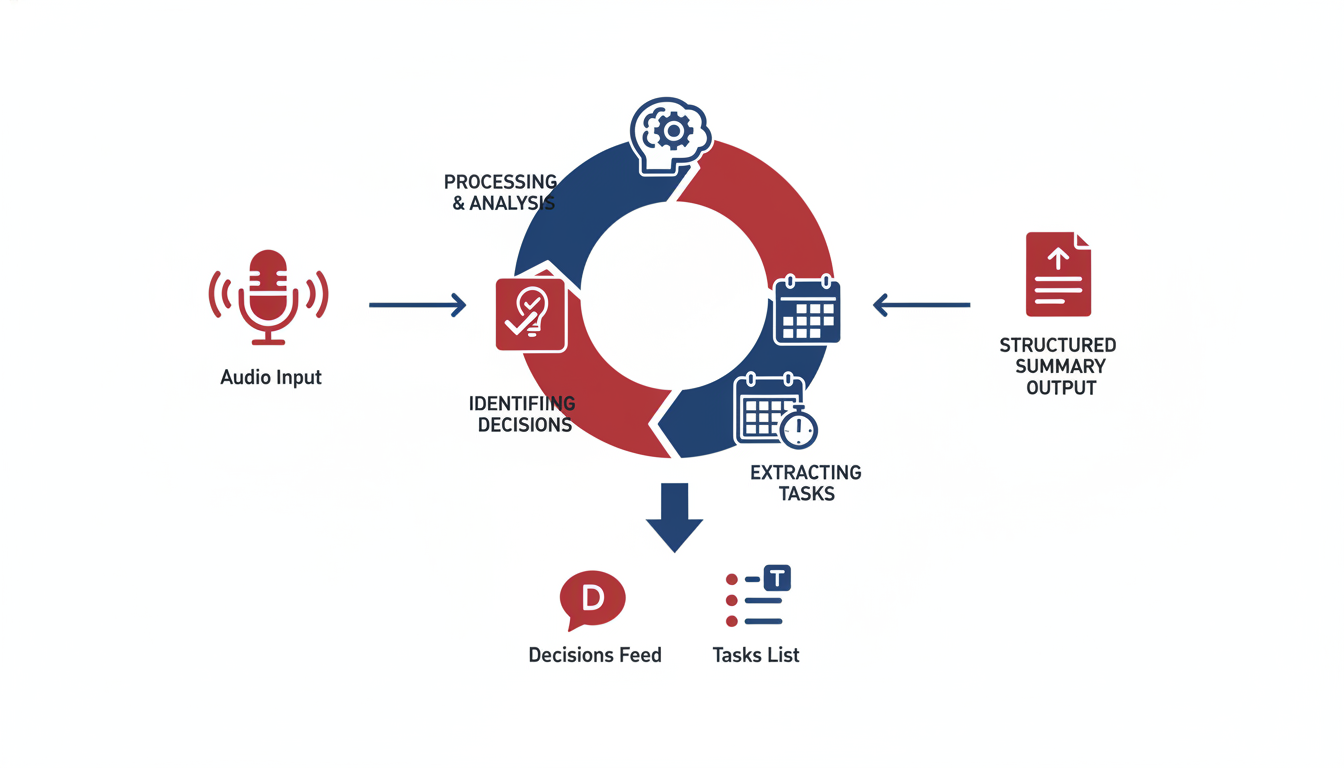
In today’s fast-paced world, finding an audio summarizer that truly captures the essence of conversations—decisions, tasks, and key points—is like finding a needle in a haystack. Let's break down how you can choose the right tool for the job.
Start with the 3-Part Coverage Test
When evaluating an audio summarizer, you should focus on three critical elements: Decisions, Tasks, and Key Points. A strong summarizer will highlight crucial decisions made during meetings, outline tasks along with their owners, and capture the key points that offer value. This ensures that nothing important slips through the cracks, and everyone is on the same page post-meeting.
Why Transcript-Backed Summaries are Superior
Imagine you're a manager swamped with 60 minutes of meeting audio to sift through in just six minutes. That's where transcript-backed summaries come in handy. DeepScribe, for instance, utilizes 99% accuracy powered by Whisper technology, providing high-quality transcripts that form the backbone of reliable summaries. This accuracy isn't just about getting words right; it's about maintaining context and providing a foundation for AI to draw insightful conclusions. The better the transcript, the better the summary.
Ensuring Traceability to the Transcript
One of the most significant advantages of using tools like DeepScribe is their traceability to the transcript. This feature turns your summaries into auditable, sharable documents (DOCX, PDF, SRT, VTT) that stand up to scrutiny. When you need to validate an action item or a decision, you can easily trace these back to the exact moment in the transcript. This is especially important for professionals who need accountability and transparency in their workflows. With DeepScribe, this is further enhanced by its ability to label speakers and automatically detect over 100 languages.
Key Takeaway: Summaries without traceability are like emails without a send button; they leave you hanging when you need them most.
Choosing the Right Tool
Different audio types—whether meetings, lectures, or podcasts—demand specific approaches. Using a tool like DeepScribe, which adapts to various contexts by integrating seamlessly with major platforms like Zoom and Google Meet, can enhance your productivity. For ultimate impact, select a summarizer that offers robust export options, ensuring all stakeholders have access to concise, actionable information.
Ultimately, your choice should prioritize not just generic transcription abilities but also the tool’s depth in creating actionable summaries that align closely with the real conversations and decisions made within your organization.
1. DeepScribe — Best for Meeting Summaries
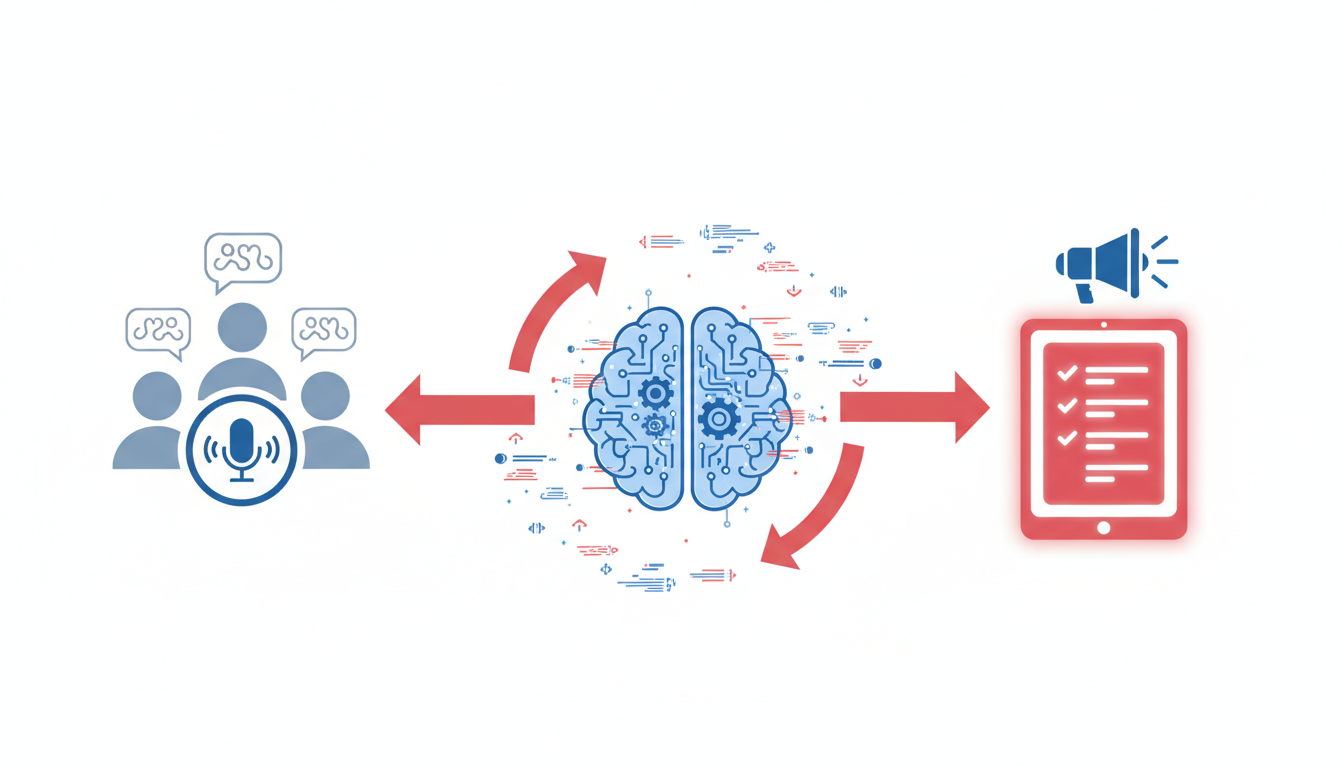
When it comes to transforming long meetings into crisp and actionable summaries, DeepScribe is at the top of its game. With its Whisper-powered technology, DeepScribe ensures near-perfect transcription accuracy—even amidst accents, background noise, and specialized jargon. This is not just a promise; it’s a necessity for busy professionals juggling multiple tasks and needing reliable documentation quickly.
The key to effective meeting summaries is capturing decisions, action items, and key points. DeepScribe excels by generating structured outputs that reflect these crucial elements. Imagine leaving a meeting knowing that every decision and task has been correctly logged, with ownership clearly defined—all without lifting a pen. This efficiency is powered by DeepScribe’s ability to identify speakers accurately, making it indispensable for meetings involving multiple participants.
Exporting your insights is seamless. DeepScribe supports various formats such as DOCX, PDF, SRT, and VTT. This versatility ensures compatibility for sharing across platforms, whether it's for team collaboration or documentation purposes. Want a hard copy of your notes? Export them to PDF. Need to integrate your transcript with a video? Use the SRT format. This flexibility enhances productivity and accessibility, vital for today’s fast-paced environments.
“Smart-speaker growth fuels premium audio adoption,” says Sarah Perez, highlighting the shift towards sophisticated audio tools. As more professionals consume content on smartphones—which account for 64% of audio consumption—the demand for high-quality summaries becomes evident.
Additionally, DeepScribe’s meeting-notetaker capability is a game-changer. It not only transcribes meetings in real time but also automatically generates summaries and action items directly from platforms like Zoom or Microsoft Teams. This integration into popular meeting tools eliminates the need for manual note-taking, thus allowing professionals to focus on the conversation itself.
Talking numbers, the Audio AI Tools market is projected to skyrocket from USD 1,046 million in 2024 to USD 1,280 million by 2025, with a CAGR of 11.9%. This growth illustrates the increasing reliance on AI tools like DeepScribe to streamline workflows. Further bolstered by enterprise spending predictions reaching USD 10.05 billion in 2025, the urgency to adopt efficient audio summarization tools is clear.
In summary, DeepScribe isn’t just about transcription—it’s about transforming how we process and utilize information. By anchoring its capabilities in accuracy and convenience, DeepScribe empowers professionals to not only keep track but to stay ahead with every meeting they conduct.
2. Otter.ai — Ideal for Lectures
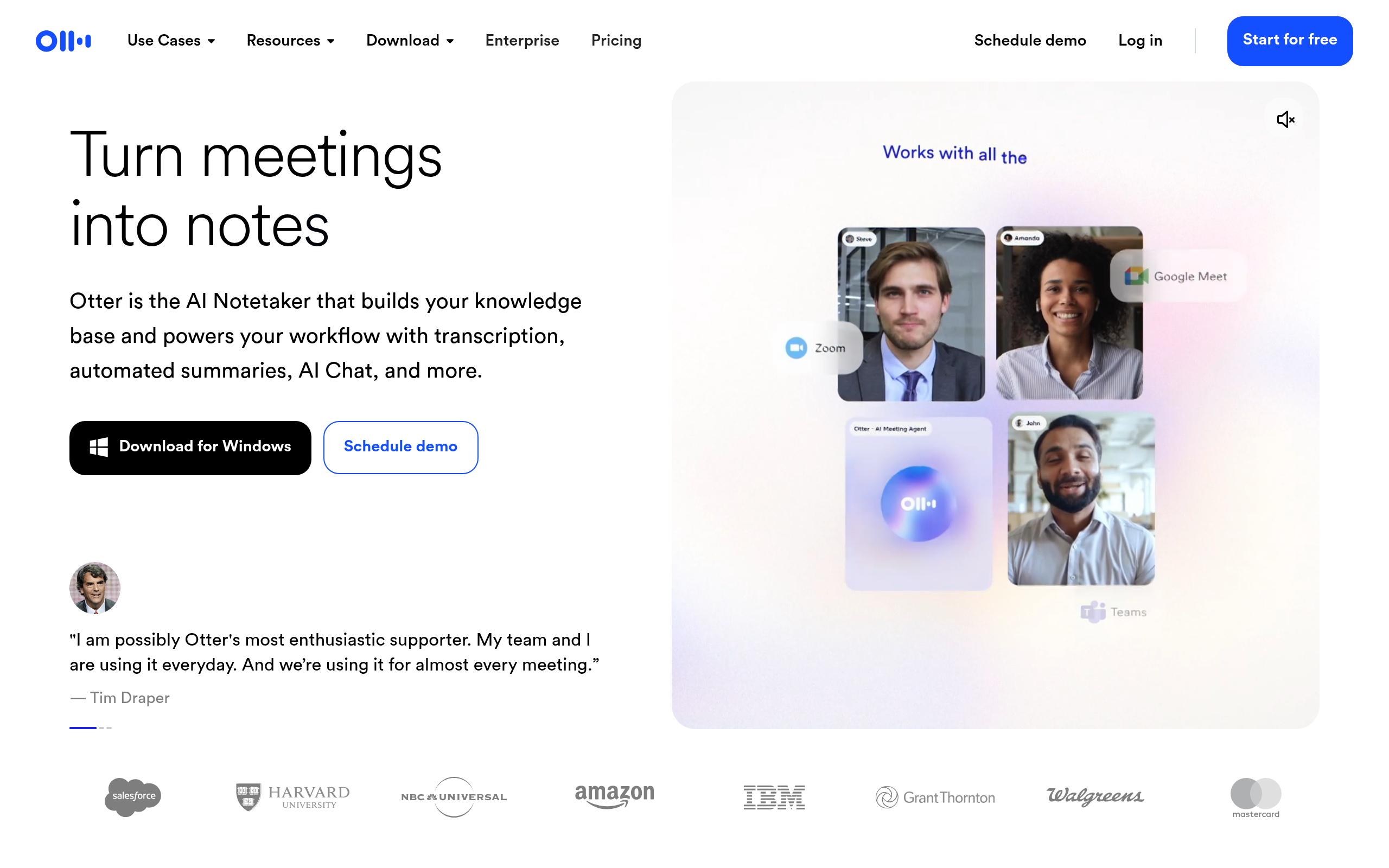
When it comes to transforming long lectures into concise and searchable transcripts, Otter.ai stands out. Known for its ability to handle real-time transcription, Otter provides a robust solution for educators, students, and professionals alike who regularly attend lectures and need reliable notes.
Real-Time Transcription and Searchable Notes
Otter.ai excels in delivering live transcription, capturing lectures as they happen. This is particularly useful in academic settings where information is dense, and missing a detail could mean hours of sifting through recordings later. The tool converts speech to text with impressive accuracy, allowing users to follow along as the lecture progresses. This real-time feature is invaluable for participants who want instantaneous access to searchable notes, making it easy to locate those overwhelming yet crucial details on the fly.
Decisions, Action Items, and Key Points
A significant advantage of Otter.ai is its ability to not just transcribe, but to highlight decisions and action items embedded within lectures. For instance, if a professor assigns homework or if there’s a pivotal moment in a corporate training session, Otter flags these as actionable moments. This kind of functionality ensures nothing slips through the cracks, providing a reliable record of key responsibilities and tasks that arise during lectures.
Search and Organization
Otter.ai’s searchable transcripts are a game-changer for lecture-goers. The ability to search through hours of material by keywords brings efficiency to a new level. Users can organize content into themes or topics, making it not only easy to keep information straight but also readily accessible when it’s time to review for exams or prepare reports. Think of Otter as your personal lecture assistant—cataloging information so you don’t have to.
Workflow Integration
Integrating smoothly with platforms like Zoom, Otter adds another layer of convenience. Whether you're attending online lectures or in-person seminars, Otter ensures that your notes are centralized and easy to access across devices. This seamless integration supports busy schedules, catering directly to the needs of professionals and students who juggle multiple tasks.
In summary, for those constantly immersed in lectures, Otter.ai offers a powerhouse solution. Its ability to capture not just the words, but the essence of a session—complete with searchable and organized transcripts—makes it ideal for anyone who needs to keep lecture details at their fingertips.
“Smart-speaker growth fuels premium audio adoption.” — Sarah Perez
Leveraging this insight, Otter.ai fits perfectly within the growing landscape of audio AI tools, serving as an essential ally in the educational domain.
3. Rev — Reliable for Podcasts
In the bustling world of podcast creation, ensuring your episodes are accurately transcribed and summarized is crucial. Rev, a stalwart in the transcription domain, shines brightly when it comes to handling podcasts. Its strength lies in its ability to accurately capture key points and generate detailed podcast show notes, making it a reliable choice for creators who need thorough summarization.
One of the standout features of Rev is its high fidelity in transcription. Known for providing detailed transcripts, Rev captures the essence and details of each conversation, ensuring nothing vital slips through the cracks. This is especially beneficial for podcasters looking to extract memorable quotes or essential episode highlights. The precision in capturing key points means fewer errors and a more seamless production workflow.
Rev excels in generating comprehensive show notes. This feature does more than just summarize audio files; it creates a structured format that podcasters can easily mold into engaging episode descriptions. These show notes aid in SEO, helping episodes reach a wider audience by ensuring that all relevant keywords and topics are covered. As a busy podcaster, you’ll appreciate how Rev’s show notes can transform raw audio into publish-ready content effortlessly.
In terms of usability, Rev offers a suite of tools tailored for podcasters. Users can expect accurate timestamps and contextual speaker labels, ensuring clarity in understanding who said what — a crucial aspect when dealing with guest-heavy episodes. Additionally, Rev supports various export formats, making it easy to share transcripts and summaries with your team or to use them for promotional purposes.
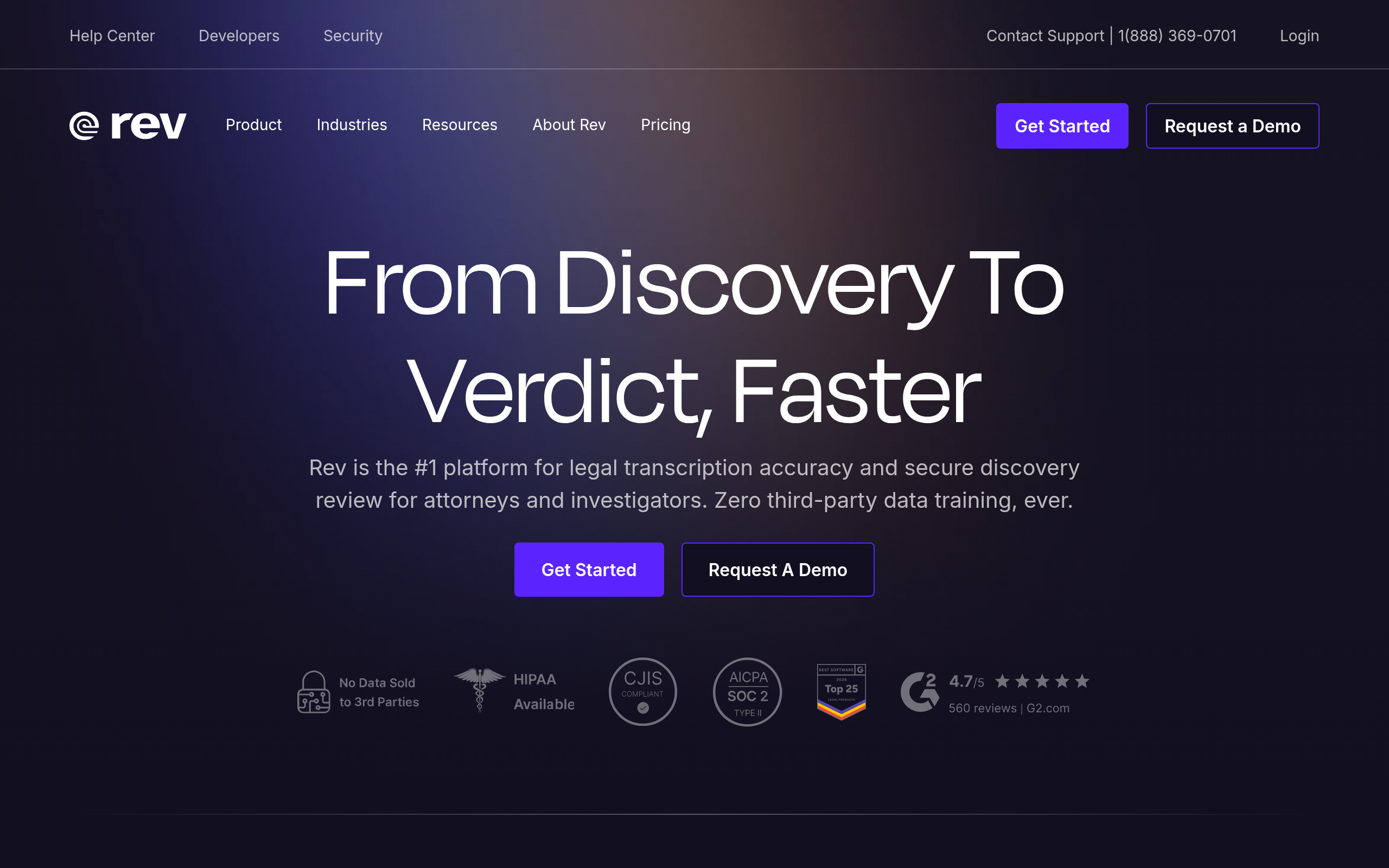
For podcasters, having content that is both traceable and shareable is invaluable. Rev’s integration with various platforms facilitates smooth podcast management, allowing creators to focus more on crafting the narrative rather than worrying about transcription fidelity.
As the demand for real-time audio processing grows — expected at a CAGR of 18.18% through 2030 — tools like Rev that offer robust summarization capabilities are invaluable. This trend aligns with the increasing consumption of audio content via smartphones, which currently stands at 64%. Rev’s adaptability and comprehensive feature set make it an excellent choice for podcasters who need reliable, detailed, and actionable audio summaries.
By choosing Rev, podcasters can rest assured that their episodes are presented accurately to audiences, with clear action items and key points that resonate, ultimately enhancing the listener experience.
4. Sonix — Best for Multilingual Needs
If you're working with international teams or juggling multilingual content, Sonix is your go-to audio summarizer. It excels by supporting over 40 languages with automatic detection, making it ideal for diverse and global projects. Imagine a tool that understands your multilingual podcast episodes or a lecture in a mix of languages — Sonix handles it with ease.
One of the standout features of Sonix is its automatic language detection. This means that you don’t have to manually set the language for each transcription, a real time-saver if you frequently deal with varied content. Whether you're listening to a Spanish CEO, a French lecturer, or an English podcast, Sonix can seamlessly switch and adapt, producing reliable transcripts and summaries across the board.
"Smart-speaker growth fuels premium audio adoption." This highlights the need for tools like Sonix as audio consumption on smartphones and speakers continues to rise, making multilingual transcription a valuable asset.
Here’s how Sonix caters to multilingual content:
- Automatic Language Switching: No need to stress about setting languages. Sonix intelligently detects and processes the language spoken, optimizing workflows for mixed-language meetings or international podcasts.
- Versatile Export Formats: Sonix supports diverse exports including DOCX, PDF, SRT, and VTT. This flexibility ensures that your summaries are easily shareable and accessible, perfect for creating multilingual meeting notes or subtitles.
- Global Reach for Teams: With its robust language support, international teams can leverage Sonix to ensure understanding and retention—no matter where your colleagues are coming from.
However, while Sonix shines in its multilingual prowess, it’s important to note that its performance varies with audio quality. A clear audio input will maximize its capabilities, so make sure your recordings are as crisp as possible.
Use Sonix when you’re aiming for broad linguistic coverage without the hassle of manually managing language settings. Once you’ve experienced its intuitive language detection and robust transcription quality, managing multilingual content feels less like a chore and more like a streamlined process.
5. Fireflies.ai — Great for Action Item Extraction
When it comes to distilling meetings into actionable insights, Fireflies.ai excels by automating the extraction of both tasks and decisions. This tool specifically targets busy professionals who need a reliable way to transform lengthy discussions into clear action plans. The core advantage here is its ability to efficiently track decisions, making it an exceptional choice for those who prioritize accuracy and detail in their workflow.
Fireflies.ai integrates seamlessly with popular workflow applications, ensuring that follow-up tasks are automatically synchronized across platforms. This integration allows for smooth transitions from meeting conversations to actionable task lists. You can imagine the relief of stepping out of a meeting and finding that the next steps are already waiting in your project management tool.
One of the key takeaways is that Fireflies.ai focuses heavily on using speech-to-text summarization to ensure nothing gets overlooked. Its accuracy in capturing key points is bolstered by advanced AI algorithms that prioritize the most significant information.
For decision tracking, Fireflies.ai provides a user-friendly interface that highlights main decisions and assigns ownership seamlessly. This ensures that everyone involved is aware of their responsibilities without the need to scour lengthy transcripts. Action items are presented clearly, offering a straightforward path to follow through on meeting conclusions.
Here’s how you can maximize Fireflies.ai for your meetings:
Integration Setup: Begin by integrating Fireflies.ai with your existing calendar and workflow applications. This setup enables automatic meeting recording and action item creation.
Speech-to-Text Summarization: Leverage the tool’s advanced speech-to-text capabilities to capture nuanced decisions and action points.
Task Automation: Utilize Fireflies.ai’s ability to sync tasks with apps like Trello, Asana, or your CRM, keeping your team aligned and productive.
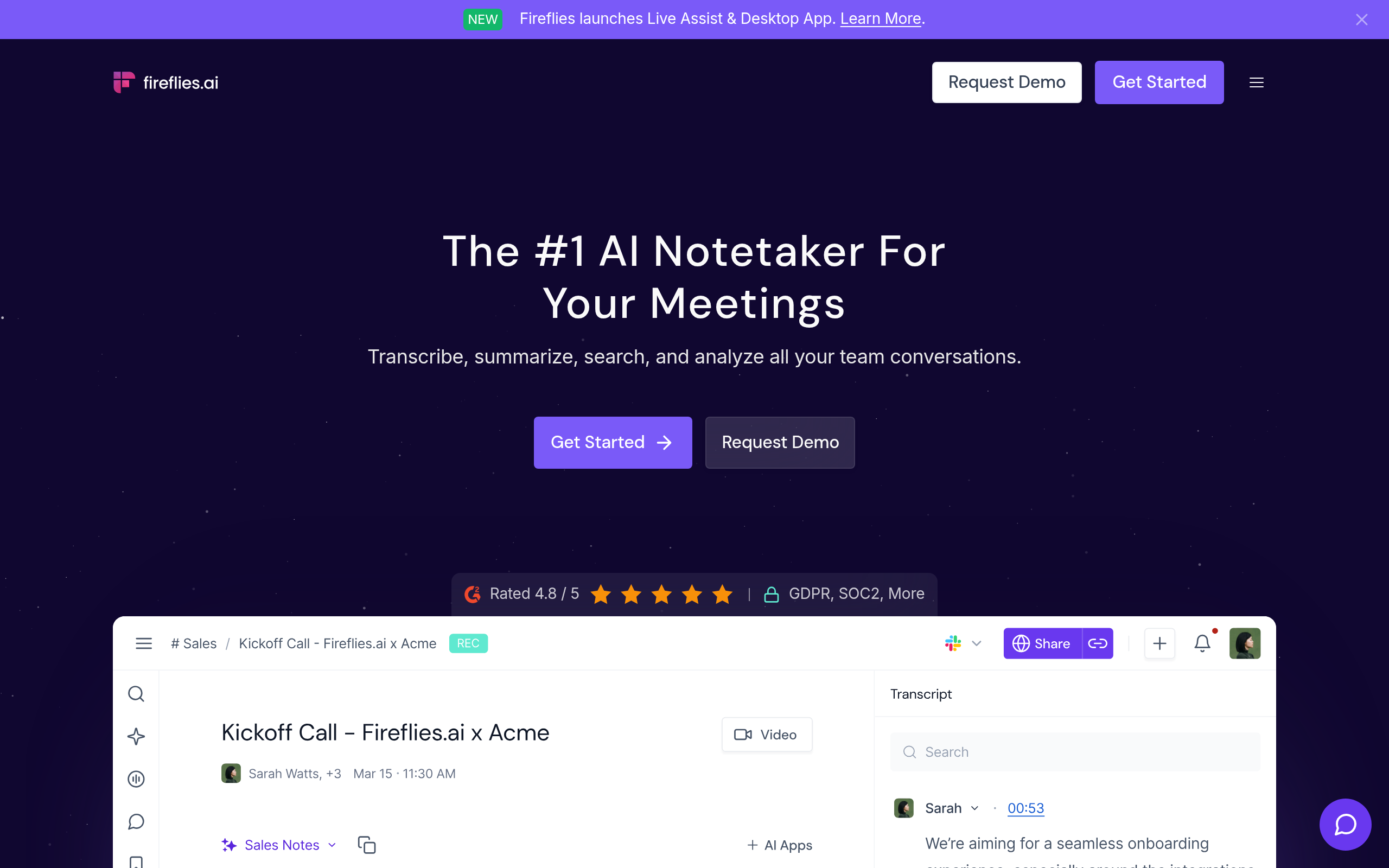
In the fast-evolving market of audio summarization, which is projected to be valued at approximately USD 1.28 billion by 2025, tools like Fireflies.ai position themselves as indispensable assets for improving productivity and ensuring accountability. As audio consumption continues to grow—especially on smartphones which account for 64% of it—it’s clear that such tools are becoming essential in modern workflows.
6. Temi — Quick and Simple Transcriptions
When it comes to straightforward, no-frills transcription, Temi stands out as a reliable choice. This tool is designed for users who need fast delivery and core transcription capabilities without the extra bells and whistles. Whether you're dealing with meeting notes, lecture recordings, or podcast episodes, Temi simplifies the process.
Core Focus: Rapid and Straightforward Transcription
Temi is all about efficiency. With the ability to transcribe various audio types, its primary strength lies in its speed. Within moments, Temi can convert your audio files into text, making it an excellent choice for busy professionals who need quick access to their content without spending hours re-listening.
- Supported Audio Formats: Temi handles an array of audio types, including MP3, WAV, and many others, ensuring flexibility no matter the source of your recordings.
- Delivery Speed: One of Temi’s significant advantages is its rapid processing time, which makes sure you get your transcripts ready in minutes.
“For professionals in a hurry, Temi's transcription speed is a lifesaver,” emphasizes DeepScribe.
Accuracy and Usefulness
While Temi is renowned for its speed, it’s essential to consider the accuracy and usefulness of the summaries it generates. Since Temi focuses on providing quick transcripts, it might not offer the same level of detailed summaries or action item extraction as some other platforms, like DeepScribe, which provide enriched meeting notes and comprehensive exports.
- Basic Accuracy: Temi performs well for straightforward audio but might require additional edits for content with heavy accents or background noise.
- Use Case Fit: Ideal for users who want to summarize audio files quickly without prioritizing detailed analysis or speaker differentiation.
Integration and Export Options
Temi offers basic export formats, making it easy to share transcriptions across different platforms. You can generate TXT files to ensure your notes are always accessible and easy to distribute.
- TXT Export: Keep your transcriptions simple and streamlined for easy sharing and archiving.
- Transcript Accessibility: Embedding simple text transcripts into your workflow supports efficiency but might need further enhancements for complex projects.
In the world of audio to text summarizer tools where simplicity and speed are king, Temi holds its own. However, for those looking for more advanced features like speaker labels and action-item extraction, exploring offerings like DeepScribe's comprehensive solutions might be advantageous.
7. Trint — Efficient for Large Teams
When handling large volumes of audio, Trint shines as a collaborative platform perfect for media teams. Leveraging powerful AI audio summary features, Trint does more than just transcribe; it transforms your audio files into collaborative, interactive assets. But what makes it truly stand out for large teams? Let’s dive in.
Collaborative Features and Editing Tools
Trint excels in enabling teams to work together efficiently. Its platform offers robust editing and annotation features, allowing multiple team members to engage with transcripts simultaneously. This collaborative aspect is ideal for media teams looking to produce high-quality content quickly. Team members can listen to the audio, read the transcript, and collaborate live, making edits, annotations, and adjusting as needed to capture the essence of the audio accurately.
Annotations and Highlights
The capability to annotate and highlight transcripts supports a seamless workflow. For media teams, this means pinpointing key narrative elements or marking important audio snippets becomes a breeze. With Trint, you can extract action items and decisions effectively, ensuring that nothing gets overlooked in post-production processes. This ease of annotation significantly speeds up editorial decisions, aligning with your team’s fast-paced needs.
Action Items Extraction and AI Audio Summary
The AI audio summary feature allows Trint to summarize key points effectively, capturing decisions, relevant tasks, and assigned owners. This capability is supported by Trint's transcript-backed approach, ensuring that key insights are captured accurately. Given its strength in handling large volumes of audio and producing useful, concise summaries, Trint is a competent choice for updating team members who couldn't attend live.
Use Case Efficiency
Trint's interface is particularly intuitive for media-focused tasks, such as producing podcasts, news reports, or documentaries. Teams can divide and conquer large projects, securely sharing files and updates. The platform is designed for dynamic environments where quick, precise, and collaborative action is essential. This makes it effective not just for summarizing content but also for ensuring actionable insights are immediately clear and traceable.
Trint’s focus on collaboration and its efficient, annotation-rich environment makes it a standout choice for teams that need to handle complex audio projects collaboratively and accurately.
“Trint’s real-time editing and annotation features make it indispensable for large teams needing to produce content quickly without sacrificing accuracy.”
For teams dealing with extensive audio files, Trint is a well-tailored solution combining AI-powered summarization with essential collaborative tools.
Pick the Right Tool in 60 Seconds
Strapped for time and need a quick decision? Here’s a handy decision tree and comparison table to help you choose the best audio summarizer for your needs. We’ve distilled everything into an easy-to-digest format, keeping decisions and action items at the forefront, while ensuring traceability to the transcript.
Quick Decision Tree
- If you prioritize top-notch accuracy and detailed meeting outputs: Go with DeepScribe. With its Whisper-powered transcription offering 99% accuracy, it excels in speaker labeling, summaries, and action items.
- For a versatile tool across meetings and podcasts: Consider Otter.ai, which offers robust note-taking and speaker identification.
- Need rapid summaries for educational content? Turn to Sonix, known for fast processing and export options.
- Looking for real-time transcription and team collaboration? Rev fits well with its live transcription capabilities.
Comparison Table
| Feature/Criteria | DeepScribe | Otter.ai | Sonix | Rev |
|---|---|---|---|---|
| Best for | Meetings, Accuracy | Meetings, Podcasts | Lectures/Education | Real-time Transcription |
| Key Features | Whisper-powered, 99% accuracy | Team collaboration | Fast processing | Live transcription |
| Export Formats | DOCX, PDF, SRT, VTT | TXT, DOCX | TXT, SRT | TXT |
| Speaker Labeling | Advanced | Basic | Basic | Advanced |
| Action Items/Feedback | Summarized in AI outputs | Manual input | Limited | Through annotation |
| Security | SOC 2 Compliant, Encrypted | Standard | Standard | Standard |
“Smart-speaker growth fuels premium audio adoption.” — Sarah Perez
For those deeply embedded in prolonged audio consumption, such as students or professionals, DeepScribe leads with its impressive accuracy and comprehensive meeting intelligence features. Check out our guides on transcribing Zoom meetings with AI and creating meeting notes with AI for more insights.
Frequently Asked Questions
What is the best audio summarizer for meetings?
DeepScribe is highly recommended for meeting summaries due to its accuracy and export capabilities.
How do audio summarizers work?
They convert audio into written text and use AI to extract key points, decisions, and tasks.
Can audio summarizers handle multiple speakers?
Yes, tools like DeepScribe label speakers, which helps in identifying dialogue accurately.
Are these audio summarizers secure?
Most offer encryption and deletion policies; DeepScribe, for example, is SOC 2 Type II compliant.
Final Thoughts
Choosing the right tool for audio summaries depends on your specific needs, whether it's for meetings, lectures, or podcasts. Here's a recap of the essential criteria to consider:
- Accuracy and Speed: Ensure the tool delivers quick and precise results.
- Versatility: Look for support across various formats and use cases.
- Auditability: Check for transcript-backed summaries to verify accuracy.
For auditable summaries, start with DeepScribe; its transcript-backed approach ensures each summary can be traced back, making it a reliable choice. For other options tailored to different scenarios, rely on our outlined best picks.
Ready for action? Run one of your recordings through DeepScribe first. This transparency allows a fair comparison of other tools using the same 3-part test. Dive deeper into the world of efficient meeting capture with our guides on auto summarizing meetings and transcription how-tos.
Written by

DeepScribe Team
Content Team
The DeepScribe content team shares insights on audio transcription and AI technology.
Related Articles
Continue reading about this topic

7 Best Audio Summarizers for Busy Professionals
Explore the best audio summarizers designed for extracting decisions, tasks, and key points, ideal for busy professionals handling meetings, lectures, and podcasts.

DeepScribe Team
March 22, 2026 · 22 min read · 4,365 words